Accrued Expenses vs Accounts Payable Top 7 Best Differences

This categorization helps investors and creditors assess impending cash outflows. When a company accrued expenses, the portion of the unpaid bills is increasing. The Accrual concept of accounting states that all the inflows and outflows should be recorded when they occur.

Adapting to Evolving Accounting Standards for Accrued Payables

Think of it like regular car maintenance—a little effort prevents bigger problems. Our Accruer software can automate accrual calculations and reconciliations, saving you time and reducing errors. Liabilities on the balance sheet reflect the nature and timing of a company’s obligations.

Use automation

For more insights into managing these types of expenses, explore FinOptimal’s managed accounting services. If your accounting period ends before your rent is due, you still need to account for the portion of the month you’ve occupied the space. This concept is further explained in Tipalti’s guide on accrued expenses and accounts payable.

accrued expenses vs accounts payable

Locating Accounts Payable and Accrued Expenses on the Financial Statements

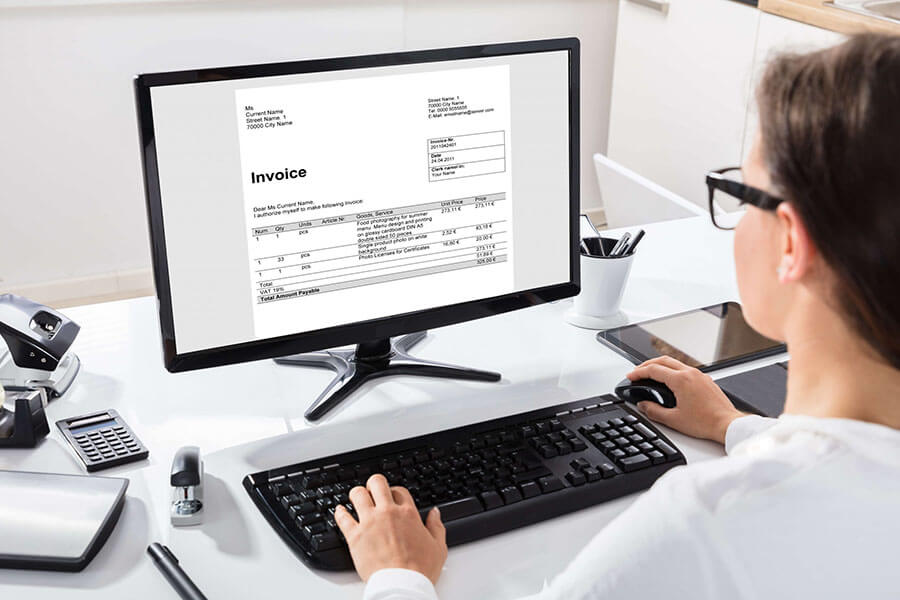
On the flip side, accounts payable always start with an invoice in hand. You receive a bill from suppliers, showing amounts owed for goods received or services completed. These documents list all details—dates, quantities, prices—and kick off the formal payment process. These are bills for goods or services that have been received, but not yet paid. Let’s understand how accrued expenses and accounts payable are different from each other and how you can manage them effectively.

Accrued expenses and accounts payable are both debts your business owes, but they are managed in distinctly different ways. Read on to learn how each affects your financial reporting and cash flow. Accrued expenses, also known as accrued liabilities, are essential for accurately reporting a company’s financial position and performance. Accounts payable, on the other hand, are recorded when an invoice is received, marking the formal recognition of the obligation.

You are simply making note of the obligation to pay and that you have received the business rendered (goods and/or services). In fact, you could be halfway through using them but the important part is that the business has acknowledged the vendor’s receivable. By contrast, if a company receives a $200 invoice for operating expenses, it records a $200 credit in the accounts payable field of the ledger.

Nature of liabilities

Accurately tracking this ensures your financial statements reflect your true expenses. Both accrued payables and accounts payable appear as current liabilities on your balance sheet. These represent short-term obligations your company expects to settle within the next year.

Accounts payable are recorded as soon as your company purchases credit. On the other hand, accrued expenses are registered as an estimate to be adjusted once the invoice arrives to formally balance your accounting books. While accrued expenses and accounts payable are considered liabilities, they have some key differences. While often discussed together, accounts payable (AP) and accrued expenses (AE) represent distinct financial obligations businesses navigate. Understanding their nuances is crucial for accurate financial reporting and informed decision-making.

  • An increase in accrued expenses indicates you haven’t yet paid cash for those expenses, resulting in a positive impact on cash flow.
  • With all that being said, the cash basis accounting method is actually more popular in some sectors.
  • Record it for rent, wages, loan interests and taxes on earned revenue — expenses that you must bear consistently even if your company purchases nothing.
  • As we alluded to above, your accrued interest is tracked through your income statements at the end-of-period financial statement.
  • Automation reduces manual data entry, minimizing human error and freeing your team for more strategic work.
  • Not paying off your accounts payable and accrued expenses on time can impact your company’s creditworthiness, making obtaining loans and other supplies on credit more challenging.

Not paying off your accounts payable and accrued expenses on time can impact your company’s creditworthiness, making obtaining loans and other supplies on credit more challenging. For example, let’s assume a car manufacturing company orders parts from its suppliers on credits. After delivery on 1st December, the supplier sends an invoice with a 60-day payment period. Since, by 31st December, the invoice hasn’t been paid yet, the expense is accounted for under accounts payable in the balance sheet. It can be accrued expenses vs accounts payable tricky for any company to know which expenses fall under accounts payable and which fall under accrued expenses. And though now you know the subtle differences between the two, there’s still the matter of actually processing those invoices—especially accounts payable invoices.

For example, you know your employees have worked for a certain number of days, but you haven’t processed payroll yet. The obligation exists, but the precise amount might not be finalized until the end of the pay period. This difference in the nature of the obligation impacts how you record and manage these liabilities. Effectively managing your accounts payable is crucial for maintaining strong vendor relationships. Accrued expenses, on the other hand, are obligations to pay in the near future. Accrued expenses represent costs that a company has incurred but has not yet paid for or received an invoice for.

  • You incur it in one accounting period but don’t have to pay it until the next one.
  • While simpler, cash basis accounting can lead to a distorted view of a company’s financial position, especially with significant outstanding receivables or payables.
  • Let’s say your company’s month-end falls on the 20th, but salaries are paid on the 1st of the following month.
  • You’ll need to track and account for these expenses within each accounting period to get an accurate view of your finances at any given time.

The Critical 8 Steps of the Accounting Cycle

You’ve incurred the expense (the employee’s labor), but you haven’t paid for it yet. Think about how you manage bills and salaries now—could you spot if they were recorded incorrectly? Keeping track of invoices and expenses is vital for a clear financial picture. To avoid such problems, make sure you check that the expense you’re recording matches the product you’ve received. Create a system to check all orders, so your balance sheets always contain the right information and you never make a wrong payment.

Cash receipts journal Wikipedia

Dummies has always stood for taking on complex concepts and making them easy to understand. Dummies helps everyone be more knowledgeable and confident in applying what they know. Join over 1 million businesses saving on taxes by scanning receipts, creating expense reports, and reclaiming multiple hours every week—with Shoeboxed. Join over 1 million businesses scanning & organizing receipts, creating expense reports and more—with Shoeboxed. Turn your receipts into data and deductibles with our expense reports that include IRS-accepted receipt images.

Cash Receipts Journal is Updated from Source Documents

A journal is where financial transactions are first recorded and are recorded chronologically with a brief explanation. The ledger sorts and groups accounts from the journal’s business transactions showing the summaries and totals of each individual income and expense account in the receipt ledger. Journals are the foundation and an important part of the accounting process. They contain detailed records of business transactions and are used for reconciling accounts and transferring information to other accounting records. These records can include transaction amount, account name, receivable ledger, receivable account, and more. It is important to understand that if any cash is received, even if it relates only to a part of a larger transaction, then the entire transaction is entered into the cash receipts journal.

So a typical sales journal entry debits the accounts receivable account for the sale price and credits revenue account for the sales price. In double-entry bookkeeping, every cash receipt involves a debit to the Cash account, increasing the company’s cash balance.3Lumen Learning. Double Entry Bookkeeping System The figure entered in this column represents that debit. Precision is vital, as errors directly impact the cash balance reported on the balance sheet. Chronological sequencing is essential for orderly financial records and ensures transactions are assigned to the correct accounting period (e.g., month, quarter, year).

  • The journal provides a convenient way to monitor and analyze cash inflows, helping businesses maintain accurate financial records, identify trends, and assess their cash management practices.
  • Since all sales recorded in the sales journal are paid on credit, there is no need for a cash column.
  • Join over 1 million businesses scanning & organizing receipts, creating expense reports and more—with Shoeboxed.
  • So a typical sales journal entry debits the accounts receivable account for the sale price and credits revenue account for the sales price.
  • Cash Receipt and Accounts Receivable Cash from a loan would involve a credit to a liability account like Notes Payable, while owner investments credit an equity account.

What is the difference between a cash receipt ledger and a cash receipts journal?

cash receipt journal

In the Cash Receipts journal, the Cash account is always the debit because it’s where you initially deposit your money. The example shows what a series of transactions look like when they’re entered into a Cash Receipts journal. The page on which the cash transactions are transferred to the ledger book has to be written in the Ref. Cash received from accounts receivables or debtors, as well as the total of discounts issued, should be entered in this column. The key difference between the two is the contrasting nature of cash transactions only. These opposite-side cash transactions can be made to and from the same customers though.

  • Businesses can maintain sales tax or VAT records with the help of a cash journal.
  • Therefore, a credit is needed for one or more other accounts that are affected by collecting cash.
  • The key difference between the two is the contrasting nature of cash transactions only.

Accounting treatment of insurance claim received-With Examples

The cash receipts journal would cover items like payments made by customers on an unpaid accounts receivable account or cash sales. Whereas the cash disbursement record would include items like payments made to vendors to lower accounts payable. Typically cash receipt journals are used by corporations to record the money they have collected. These transactions include cash transactions, acquiring funds through a loan, payments through customer accounts or sale of assets. It is important to realize that the cash receipts journal should always cash receipt journal have an ‘Other’ column. This column is used to record amounts which do not fit into any of the main categories.

Difference between Trade Discount and Cash Discount With PDF

Before you can record cash receipts, you need to keep all receipts whenever you make cash sales. The sales standard sales receipts that contain key information as mentioned above, provide proof that the sale took place. Since cash payments are made under a variety of headings, the cash payment journal includes several money columns. It means the account balances on a cash receipt journal would often be out of balance.

Cash Basis Accounting is a type of accounting whereby all of the company’s revenues are recognised upon actual cash receipt and all of the expenses are recognised upon payment. Suppose a cashier for a grocery store collects cash payments for daily sales. Other cash transactions can include payment through a card or immediate bank transfer. The cash receipt involves transactions that are paid in cash as well as through cards. It also ensures that the business can keep track of all the account receivables and aged receivables.

Stop doing manual data entry 🛑

A clear description helps anyone reviewing the journal understand the transaction’s nature without needing immediate access to supporting documents. When a retailer/wholesaler sells goods to a customer, and it collects cash, this transaction is recorded in the cash receipts journal. Take the first step toward transforming your financial management by trying HashMicro Accounting Software through a free demo. Click the link below to explore how our solution can support your business needs and efficiently manage your cash receipts journal.

Explanation of Columns Used in Cash Receipts Journal

The debit and credit sides would balance only when transferred to the general ledger. As a primary source document, it does not follow the double-entry accounting rules. In the cash receipts diary, all funds received from clients that fall under cash sales for goods and services are noted along with the counterparty’s name in the narration.

A cash receipts journal is a vital financial record used to track all cash inflows within a company, ensuring accurate and organized financial management. By using specialized software, managers can simplify tracking, reduce errors, and gain better oversight of their company’s financial health, preventing potential losses. Common challenges with cash receipts journals include manual errors such as incorrect amounts, duplicate entries, or missing records. These mistakes can disrupt cash flow tracking and lead to discrepancies in financial statements, causing unnecessary stress for managers.

Accuracy in the cash receipts journal is fundamental for reliable financial reporting. Errors can distort a company’s financial picture, leading to flawed decisions. A cash receipts journal uses specific columns to organize transaction details effectively, creating a clear record. Funds invested by owners (capital contributions) and proceeds from issuing company stock are also recorded. Any transaction increasing the company’s cash balance belongs in this journal.

Selling and Distribution Overheads

When structured effectively, commissions can incentivize sales representatives to meet or exceed their sales targets, driving higher performance. Recording sales commission accurately ensures transparent financial reporting. This transparency is crucial for internal stakeholders like sales managers and external stakeholders like investors.

How do commission expenses get classified?

Misclassification or inconsistent treatment of sales commissions can lead to discrepancies, potentially triggering audits or regulatory scrutiny. Maintaining accurate records and adhering to established standards safeguards a company’s reputation and financial integrity. Effective sales commission reporting is essential for maintaining trust with your sales team. Sales commissions are recognized as period expenses in financial statements. Clear and consistent communication helps minimize misunderstandings and disputes.

  • The manufacturing overhead cost would be 100 multiplied by 10, which equals 1,000 or $1,000.
  • This helps build a more stable and engaged workforce, reducing turnover-related costs.
  • This method allows organizations to better allocate their overhead costs and determine which processes or products are most impacted by them.
  • A final product’s cost is based on a pre-determined overhead absorption rate.

This integration ensures that any sales data changes are automatically reflected in commission reports. HR professionals often face challenges with complex commission structures. Streamlining commission processes can significantly reduce this burden, making management more efficient and less error-prone.

What is manufacturing overhead and what does it include?

This precision is crucial for maintaining fair commission payouts and boosting confidence within the sales team. Sales commissions must be structured to encourage profitable sales rather than just increased volume. This requires careful planning to balance rewarding sales efforts and maintaining healthy profit margins. These practices support a motivated sales force, aligning their goals with company objectives.

Manage Planned and Actual Costs on Interactive Gantt Charts

are sales commissions manufacturing overhead

Product costs encompass raw materials, direct labor, and manufacturing overhead, all integral to creating a product. Sales commissions, however, should be capitalized as intangible assets on the balance sheet by accounting standards. On the other hand, even though your variable costs rise with sales volume increases, your unit costs may decline.

Let us assume that the cost the company spends on manufacturing 100 packets of chips per month is Rs. 1000.(Assume that the cost of a packet is Rs 10). Rs. 1000 includes Rs. 500 on administration, insurance and marketing expenses that are usually variable and fixed expenses. Even though the company total cost increases from Rs. 1000 to Rs. 1500, the individual packets of chips will become less expensive to produce and hence the profit increases. A cleaning business uses detergents, sponges and cloths to provide services, so the products consumed in a month contribute to selling expenses.

Free Production Schedule Template

Direct costs are expenses directly tied to the production of a specific good or service. These costs vary with production output and are integral to the manufacturing or service delivery process. In accounting, they differ from indirect costs, which include overhead expenses like utilities and rent. This distinction is crucial for cost accounting and financial analysis, as it determines how businesses allocate expenses and assess profitability.

It also streamlines administrative processes, allowing HR and finance departments to focus on strategic activities. Accurate tracking of sales commissions is vital for financial transparency and employee satisfaction. Manual tracking often leads to errors, causing disputes and frustration among sales teams. Automated systems can significantly reduce these errors, ensuring precise commission payouts.

For example, the COGS for an automaker would include the material costs for the parts that go into making the car plus the labor costs used to put the car together. The cost of sending the cars to dealerships and the cost of the labor used to sell the car would be excluded. These physical costs are calculated either by the declining balance method or a straight-line method. The declining balance method involves using a constant rate of depreciation applied to the asset’s book value each year. The straight-line depreciation method distributes the carrying amount of a fixed asset evenly across its useful life. The latter is used when there is no pattern to the asset’s loss of value.

  • They are essential for calculating the cost of goods sold (COGS) and are closely tied to the production process.
  • Manufacturing overhead is the sum of all the manufacturing costs except direct labor or direct materials costs.
  • CFOs focus on maintaining profitability while allocating resources effectively.

Expenses That Can Be Included In COGS (That Might Surprise You)

Direct costs include the wages of employees who directly make the product. Indirect labor costs are those expenses related to supporting product production. Indirect costs would include the wages of office workers, security personnel, or employees are sales commissions manufacturing overhead who maintain factory equipment. Direct labor costs include the wages and salaries of employees directly involved in producing a product.

How to Successfully Acquire an Accounting Practice

Clear, effective strategies create a win-win for both employees and the company. By balancing incentives with strategic goals, companies can drive performance while ensuring their financial objectives are met. When they understand commission plans clearly, motivation and productivity can increase.

Accounts Expenses Definition, Accounting Treatment, Types

accounting categories for expenses

OCR technology extracts key details like vendor name, amount, and date, eliminating manual data entry. The system even sends automated reminders for missing receipts, ensuring you maintain complete documentation for audits and tax compliance. Business-related gifts to clients, employees, or vendors are considered business expenses so long as the purpose of the gift is to promote business relations. This category includes payments to agencies or contractors—for example, the money you spend on PR agencies, headhunters, freelance designers, CPA services, tax preparation, and legal fees. At the end of each month, the amounts that can be “capitalized” are moved to the balance sheet into fixed assets. This is done via a journal entry crediting the 9900 account to reduce the capital expense, since expenses have a natural debit balance.

accounting categories for expenses

Consult with tax professionals

accounting categories for expenses

Do you pay a security service to keep an eye on your property either during or after business hours? These professional services count as tax-deductible business expense categories. This category includes the costs for software licenses and subscriptions necessary for business operations, such as accounting software, project management tools, and industry-specific applications. We’ll explain business expense deductions, highlight tax-deductible expenses, and show you why growing businesses should track and categorize expenses using advanced accounting software. Explore our business-expense categories guide to learn about tax-deductible expenses, tracking with accounting software, and IRS rules.

  • Actively managing, categorizing, and budgeting for the meals & entertainment expenses in your company can keep purchases in check.
  • If you don’t leave gaps in between each number, you won’t be able to add new accounts in the right order.
  • Also, fixed expenses are not dependent on the number of units you produce or sell.
  • The right strategic allocation can lead to substantial tax savings and improved financial efficiency.
  • Instead of adding a full-time accountant or lawyer on retainer to your payroll, you may pay project fees or contract rates to these professionals as needed.

The Impact of Expense Categories on Financial Statements

Such categorization helps individuals track spending and manage their finances effectively. This section aims to clarify common inquiries regarding the categorization of expenses in bookkeeping, offering a straightforward https://www.bookstime.com/ approach for both personal and business finances. Properly categorizing these expenditures is not only vital for internal financial insight but also for adhering to tax laws and regulations surrounding employment and asset management.

Business Insurance

  • Remember that debits increase your expenses, and credits decrease expense accounts.
  • Businesses incur various taxes, including payroll, sales, and property taxes.
  • Investments in employee training and development programs to enhance skills and knowledge are captured in this category.
  • This section aims to clarify common inquiries regarding the categorization of expenses in bookkeeping, offering a straightforward approach for both personal and business finances.
  • This structure can avoid confusion in the bookkeeper process and ensure the proper account is selected when recording transactions.
  • Under accrual accounting, expenses are recognized in the books of a company when they are incurred, irrespective of whether an actual cash transaction has occurred.

This knowledge is vital for making informed decisions about what expenses to report. This documentation is crucial for substantiating deductions during an IRS audit. You must account for these differences when evaluating the financial impact of expanding into new markets or relocating parts of the business. Accurate knowledge of state tax laws allows you to allocate resources more effectively. As QuickBooks businesses scale, they may operate in multiple states, each with its own tax requirements.

For instance, an expense description containing the word “travel” can be classified under the “Travel and Entertainment” category. NLP-based expense classification enhances accuracy and efficiency, especially when dealing with large volumes of data. Amortization is the method for deducting the capitalized cost of certain intangible assets over a set period, usually straight-line. If inventory accounting is required, these costs are typically included in the Cost of Goods Sold calculation. If inventory types of expenses in accounting accounting isn’t required (e.g., small business taxpayer exception), costs are deducted when the materials/supplies are used or consumed.

accounting categories for expenses

Professional services expenses refer to the costs of hiring outside experts to provide specialized services to your business. Travel expenses refer to the costs incurred when traveling for business purposes. Consider periodic tax strategy sessions to review your expense tracking and deduction strategies, ensuring they align with the latest IRS guidelines and maximize your tax benefits.

accounting categories for expenses

Can I Take The Standard Deduction And Still Deduct Business Expenses?

This ensures that accurate profits get reflected during each accounting period. These are the expenses incurred outside your company’s regular business activities and during a large one-time event or transactions. For example, selling land, disposal of a significant asset, laying off of your employees, unexpected machine repairing or replacement. Operating expenses are those expenses that are incurred while selling goods and services.

Now, which expenses may be written off will vary depending on the nature of your business. You can start by reviewing IRS Publication 535, which talks about the deductibility of business expenses and the general rules around tax filing. For home offices, the IRS offers a simplified option and a regular method. The simplified option allows a $5 deduction per square foot of office space, up to 300 square feet.

accounting categories for expenses

Accounting & Tax

Fixed expenses remain the same, regardless of how much a business produces or sells. Spoiled or expired food in a grocery store is considered inventory spoilage, and it’s typically treated as a COGS write-off. This reduces the value of your inventory and increases your COGS for the period. Proper inventory management practices are essential to minimize spoilage.